


Understanding the psychological factors that drive gambling behavior
Understanding the psychological factors that drive gambling behavior
The Allure of Risk and Reward
The psychological dynamics behind gambling are deeply rooted in the human experience of risk and reward. The thrill of placing a bet and the potential for a significant payout can create a euphoric sense of excitement, particularly when you explore a site like vibe-bet.uk. This excitement is often tied to the anticipation of winning, which releases dopamine, a neurotransmitter associated with pleasure. When players experience a win, this reward reinforces their behavior, making them more likely to gamble again in the future. The cycle of betting, winning, and the resultant dopamine rush can lead to repeated gambling behavior, even in the face of losses.

Furthermore, the concept of ‘near misses’ plays a crucial role in reinforcing gambling behavior. When players almost win, it can elicit feelings of hope and motivate them to continue playing, underestimating the odds against them. This phenomenon underscores the psychological mechanisms that contribute to gambling addiction, where the anticipation of a win can overshadow rational decision-making processes.
The Role of Cognitive Biases
Cognitive biases significantly influence gambling behavior, often leading players to make irrational decisions. For instance, the ‘gambler’s fallacy’ is a common belief where individuals think that past events affect future outcomes in random games. A player may believe that because a certain number has not come up in a roulette game, it is due to appear, leading to potentially poor betting choices. Such biases skew perceptions and can encourage prolonged gambling even when evidence suggests it is not favorable.
Additionally, overconfidence can lead gamblers to underestimate their risk and overestimate their control over outcomes. This illusion of control is particularly evident in skill-based games like poker, where players may believe that their skills can counteract the randomness of the game. These biases not only distort reality but also contribute to the persistence of gambling behavior, sometimes resulting in harmful consequences.
The Social Influence on Gambling Behavior
Social factors also play a significant role in shaping gambling behaviors. The environment and peer influences can encourage individuals to engage in gambling activities. For instance, friends or family members who gamble can normalize the behavior, making it seem more acceptable and less risky. Social gatherings at casinos or betting events often amplify this effect, creating a sense of community and shared experience among gamblers.
Moreover, advertising and marketing strategies employed by gambling establishments can heighten interest and participation. The promise of excitement, social engagement, and substantial winnings is often emphasized, appealing to the psychological need for belonging and excitement. This intersection of social influence and gambling underscores how powerful external factors can drive individuals towards gambling, sometimes leading to problematic behavior.
The Impact of Stress and Emotion
Emotional states significantly influence gambling behaviors. Many individuals turn to gambling as a coping mechanism to escape stress, anxiety, or depression. The temporary distraction and excitement provided by gambling can offer an emotional release, even if it is only fleeting. Unfortunately, this can lead to a cycle where the need for relief encourages more gambling, which in turn can exacerbate emotional distress.
Additionally, gambling can serve as a means of expressing emotions, whether it is the thrill of winning or the despair of losing. The highs and lows of gambling can mirror intense emotional experiences, further entrenching individuals in the gambling cycle. Understanding the emotional motivations behind gambling is crucial for developing effective strategies to address compulsive gambling behaviors.
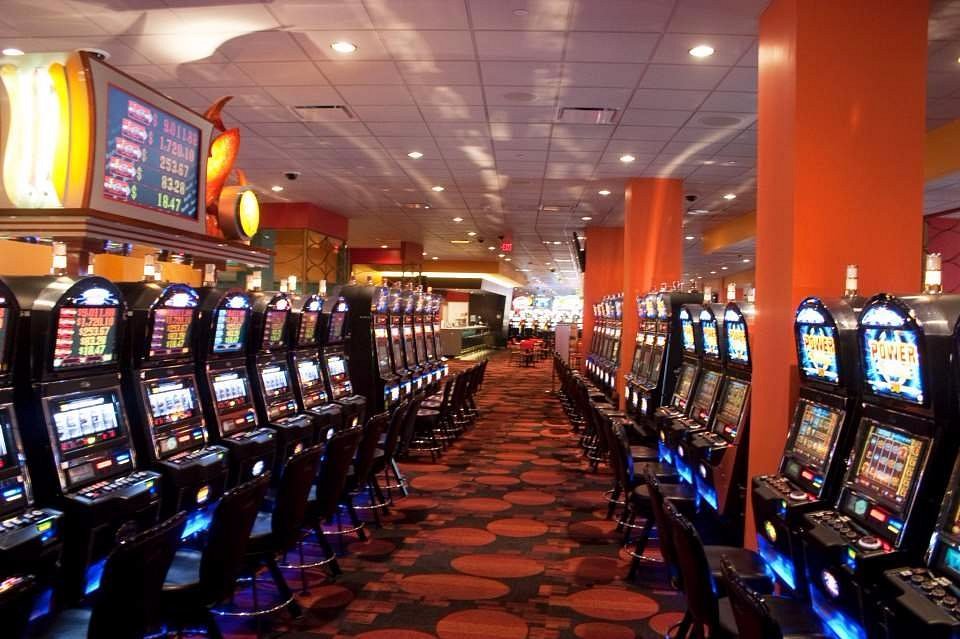
Exploring Online Gambling Platforms
Modern online casinos like Vibebet have transformed the gambling landscape, offering players a secure and thrilling experience. With a vast array of games, from slots to live tables, these platforms cater to diverse preferences, attracting a wide audience. The convenience of online gambling means that players can access their favorite games anytime, which can amplify the psychological factors driving gambling behavior.
Vibebet further enhances the experience with enticing promotions and a welcoming package that appeals to new users. By prioritizing player safety and satisfaction, online casinos can create an environment that minimizes potential risks while maximizing enjoyment. Understanding these dynamics is essential for both players and operators, ensuring a healthy approach to gambling that balances excitement with responsibility.